Currently Empty: R0.00

Water Tank Cleaning: Why Regular Maintenance Matters
Water tank cleaning is one of the most overlooked aspects of maintaining a safe and reliable water supply. Whether you use a storage tank for municipal water, borehole water or rainwater harvesting, contaminants can build up over time and affect water quality.
Regular water tank cleaning helps remove sediment, algae and other impurities before they cause unpleasant tastes, odours or equipment problems. It also helps protect your filtration system and ensures your stored water remains clean for everyday use.
Why Is Water Tank Cleaning Important?
Even when clean water enters a storage tank, contaminants can accumulate over time.
These may include:
- Sand and silt
- Rust particles
- Organic matter
- Algae
- Biofilm
- Sludge
- Insects and debris
Without regular water tank cleaning, these materials can reduce water quality and affect downstream filtration equipment.
What Causes Contamination Inside Water Tanks?
Several factors contribute to contamination.
Sediment Build-Up
Small particles gradually settle at the bottom of the tank.
Over time, this layer becomes thicker and may reduce storage capacity.
Algae Growth
Sunlight entering through damaged lids or translucent tanks encourages algae growth.
Keeping tanks sealed and protected from direct sunlight helps minimise this problem.
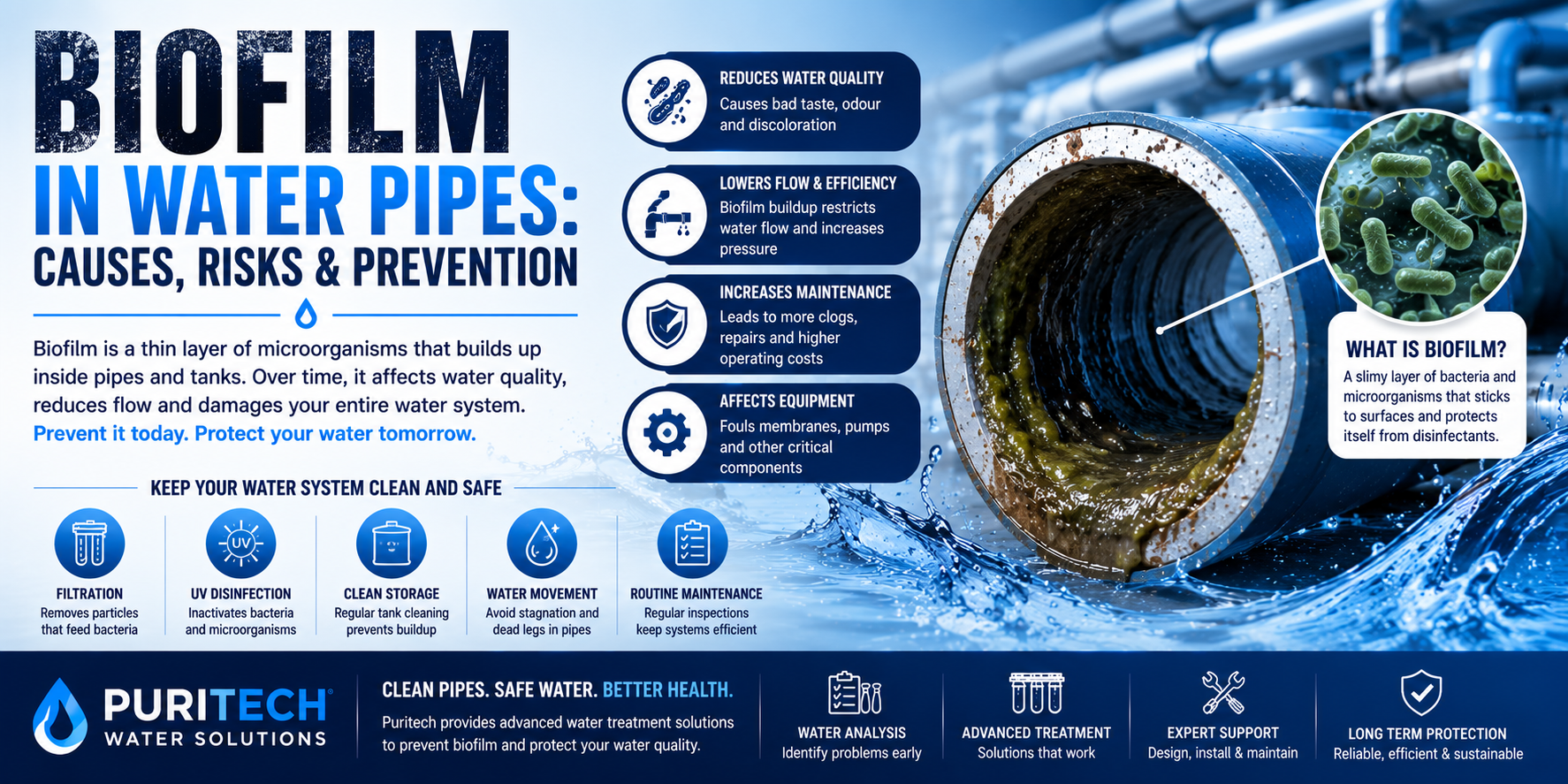
Biofilm Formation
Bacteria can attach to the internal surfaces of tanks, creating a slimy layer known as biofilm.
Routine water tank cleaning helps prevent excessive biofilm development.
Damaged Tank Covers
Loose or damaged lids allow dust, insects and leaves to enter the tank.
Regular inspections help identify these problems before contamination occurs.
Benefits of Water Tank Cleaning
Routine water tank cleaning offers several advantages.
Better Water Quality
Removing accumulated debris improves the appearance and quality of stored water.
Improved Taste and Odour
Clean tanks reduce unpleasant tastes and smells caused by organic matter.
Longer Equipment Life
Sediment entering pumps and filtration systems increases wear.
Keeping the tank clean helps protect:
- Water pumps
- Sediment filters
- Carbon filters
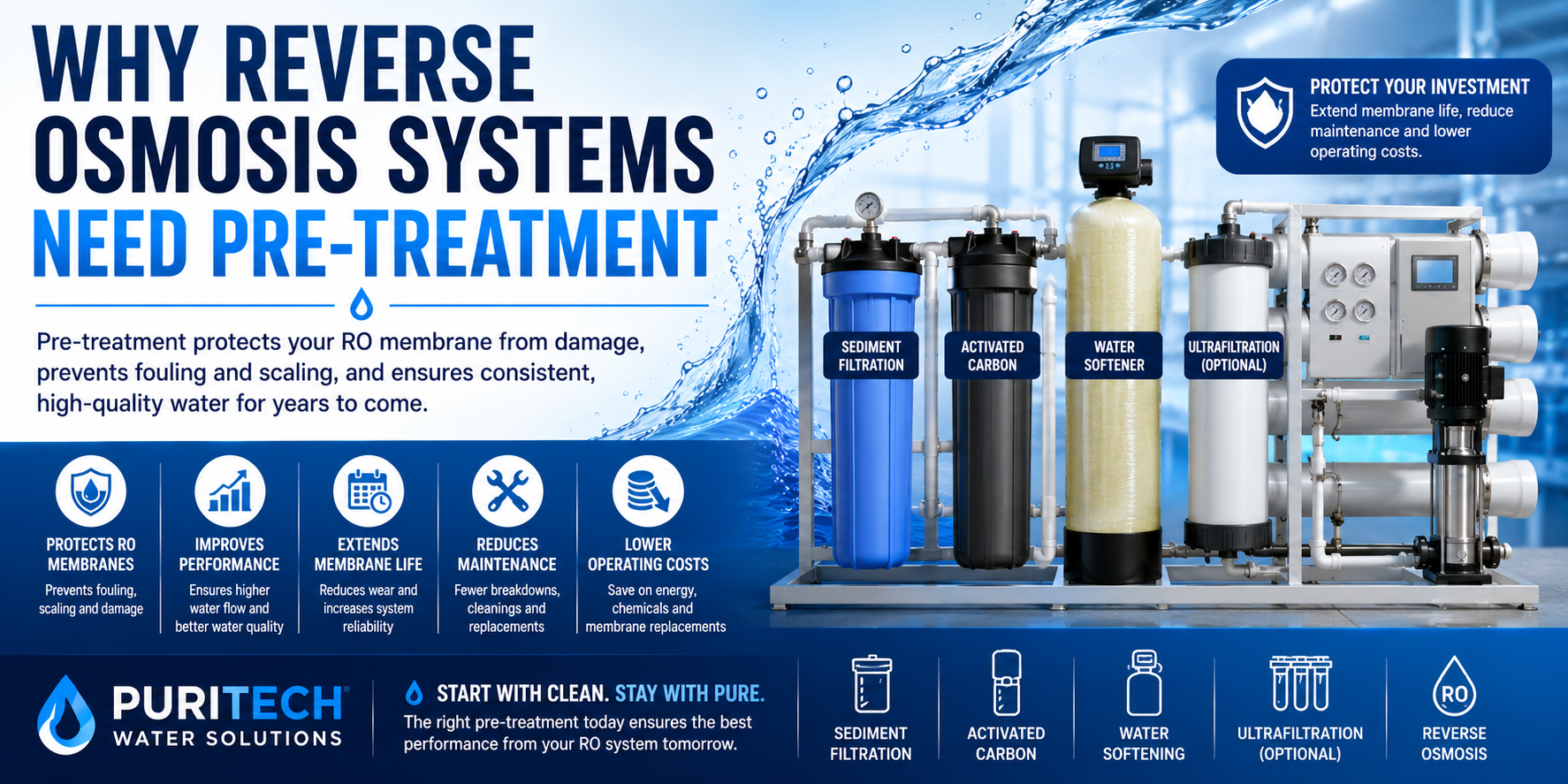
- Reverse osmosis systems
- UV sterilisation equipment
Better System Performance
Clean storage tanks reduce unnecessary strain on the entire water treatment system.
How Often Should Water Tank Cleaning Be Done?
The ideal cleaning schedule depends on:
- Water source
- Tank size
- Water usage
- Environmental conditions
As a general guide:
- Residential tanks: Every 6–12 months
- Commercial tanks: Every 6 months
- Rainwater tanks: Inspect regularly and clean when required
- Borehole storage tanks: Clean according to water quality and sediment levels
If water quality changes noticeably, inspect the tank immediately.
Signs Your Water Tank Needs Cleaning
Watch for these warning signs:
- Cloudy water
- Sediment in taps
- Bad taste
- Unpleasant odour
- Reduced water flow
- Visible algae
- Dirty tank walls
Addressing these issues early helps prevent more serious problems.
How Is Water Tank Cleaning Performed?
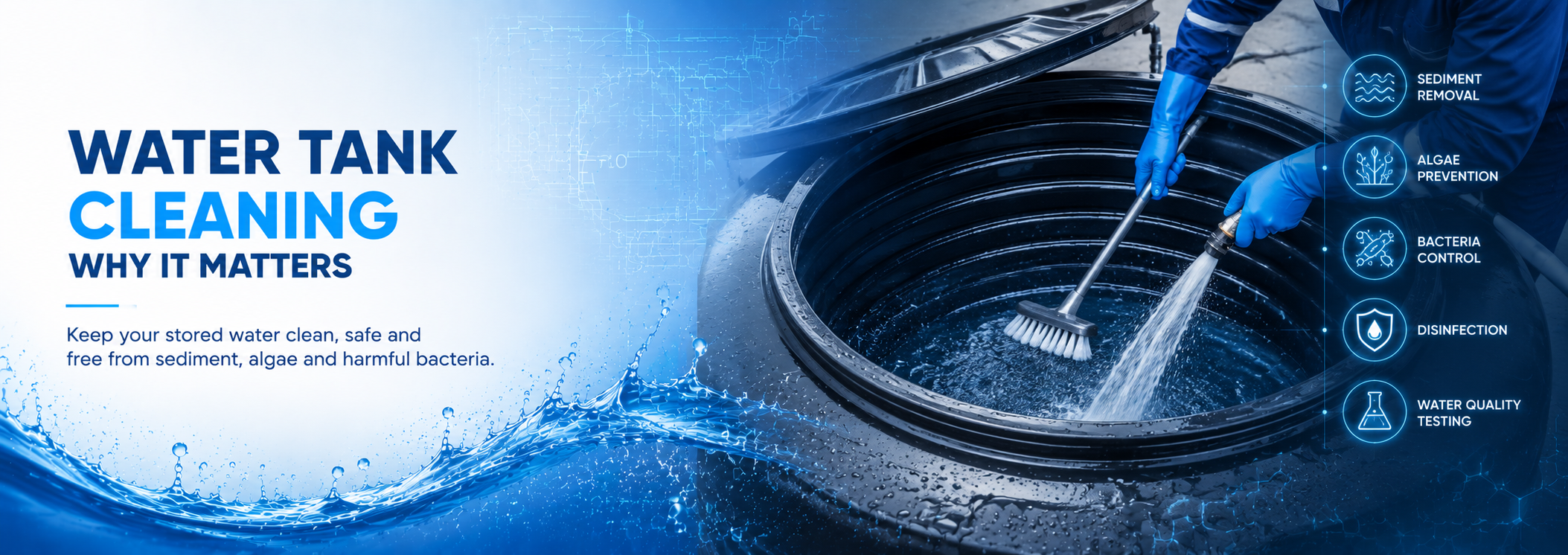
A typical cleaning process includes:
- Drain the tank safely.
- Remove sediment and sludge.
- Scrub internal surfaces.
- Rinse thoroughly.
- Inspect for damage.
- Disinfect if required.
- Refill with clean water.
Always follow safe cleaning procedures and use suitable cleaning products.
Preventing Future Contamination
You can reduce the need for frequent water tank cleaning by:
- Keeping lids tightly sealed
- Installing a sediment filter before the tank
- Inspecting the tank regularly
- Repairing damaged covers
- Protecting tanks from direct sunlight
- Monitoring water quality
Preventative maintenance keeps the entire water system operating efficiently.
Frequently Asked Questions
Does municipal water storage require tank cleaning?
Yes. Even treated municipal water can leave sediment and mineral deposits inside storage tanks over time.
Can algae grow in water tanks?
Yes. Algae can develop when sunlight enters the tank through transparent walls or damaged covers.
Will tank cleaning improve water taste?
Yes. Removing sediment, algae and organic matter often improves both taste and odour.
Does tank cleaning protect filtration systems?
Yes. Cleaner storage tanks reduce the amount of sediment reaching downstream filters and purification equipment.
Conclusion
Regular water tank cleaning plays an important role in maintaining clean, safe water for homes and businesses. Removing sediment, algae and biofilm improves water quality, protects filtration equipment and helps extend the life of pumps and plumbing systems.
Puritech supplies water filtration systems, sediment filters, UV sterilisation equipment and water treatment solutions that work together with properly maintained storage tanks to provide reliable, high-quality water.