Currently Empty: R0.00

RO Membrane Lifespan: How to Make It Last Longer
The RO membrane lifespan plays a major role in the performance and operating cost of any reverse osmosis water purification system. Whether your RO system is installed in a home, water shop, factory or restaurant, the membrane is responsible for removing dissolved contaminants and producing high-quality purified water.
Fortunately, proper maintenance and the right pre-treatment can significantly increase your RO membrane lifespan. Understanding what affects membrane performance will help you reduce maintenance costs and improve the efficiency of your entire water treatment system.
What Is an RO Membrane?
An RO membrane is a semi-permeable filtration element found inside a reverse osmosis system. It separates purified water from dissolved salts, minerals and many other contaminants by allowing water molecules to pass while rejecting unwanted substances.
RO membranes are widely used in:
- Residential water purification systems
- Water shops
- Hotels
- Restaurants
- Food processing facilities
- Laboratories
- Manufacturing plants
Because the membrane performs the most important stage of purification, protecting it should always be a priority.
Why RO Membrane Lifespan Matters
A longer RO membrane lifespan provides several important benefits.
These include:
- Lower replacement costs
- Consistent water quality
- Better TDS reduction
- Improved system efficiency
- Reduced downtime
- Lower maintenance expenses
In contrast, a damaged membrane can reduce water production and increase operating costs.
Factors That Affect RO Membrane Lifespan
Several conditions influence the RO membrane lifespan.
Poor Pre-Filtration
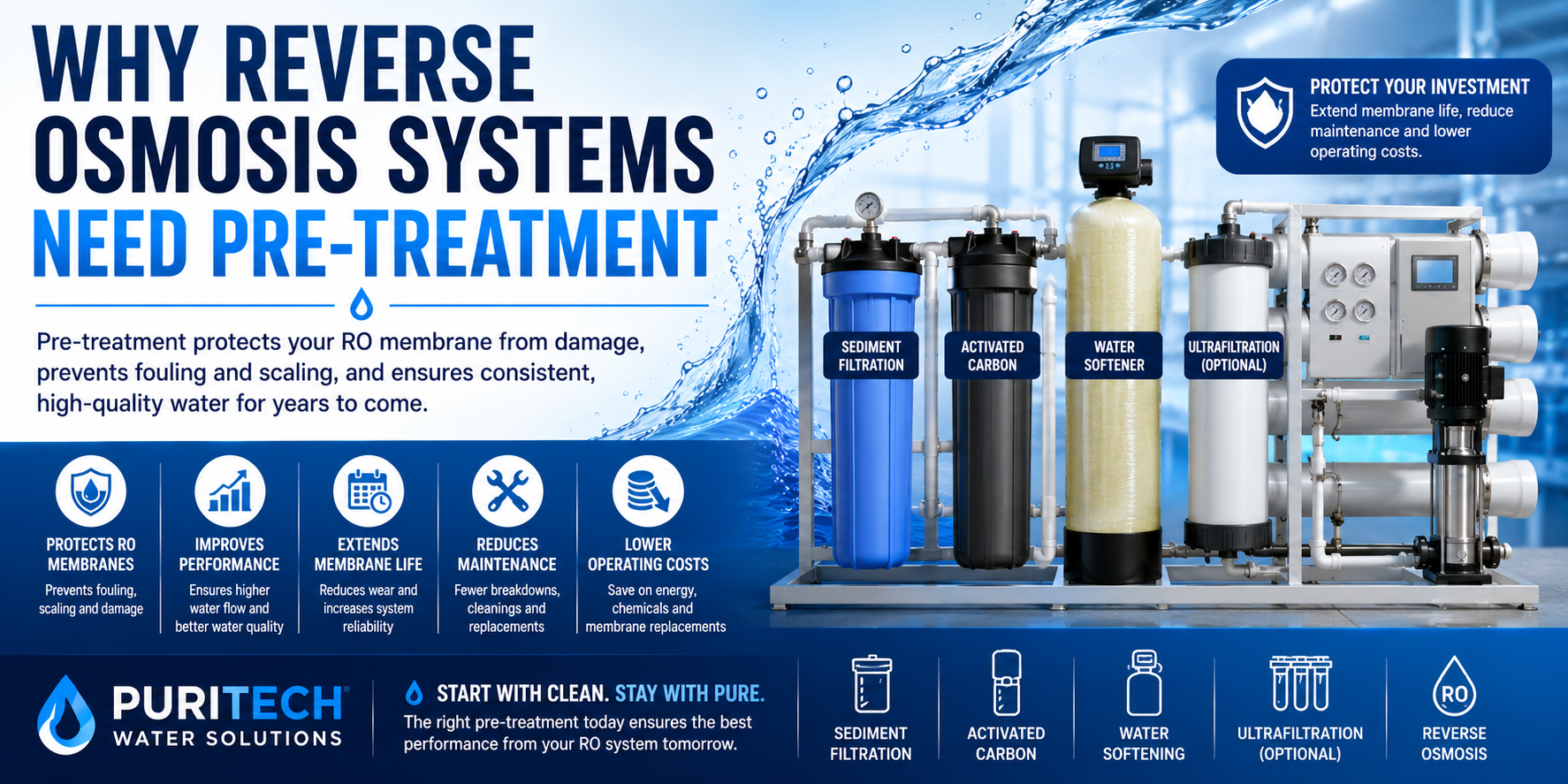
Sediment and activated carbon filters protect the membrane from dirt, chlorine and suspended particles.
If these filters become blocked or are not replaced on time, contaminants can reach the membrane and reduce its service life.
High Chlorine Levels
Thin-film composite membranes are sensitive to chlorine.
Without effective carbon filtration, chlorine can permanently damage the membrane surface.
Replacing carbon cartridges on schedule helps prevent this problem.
Hard Water
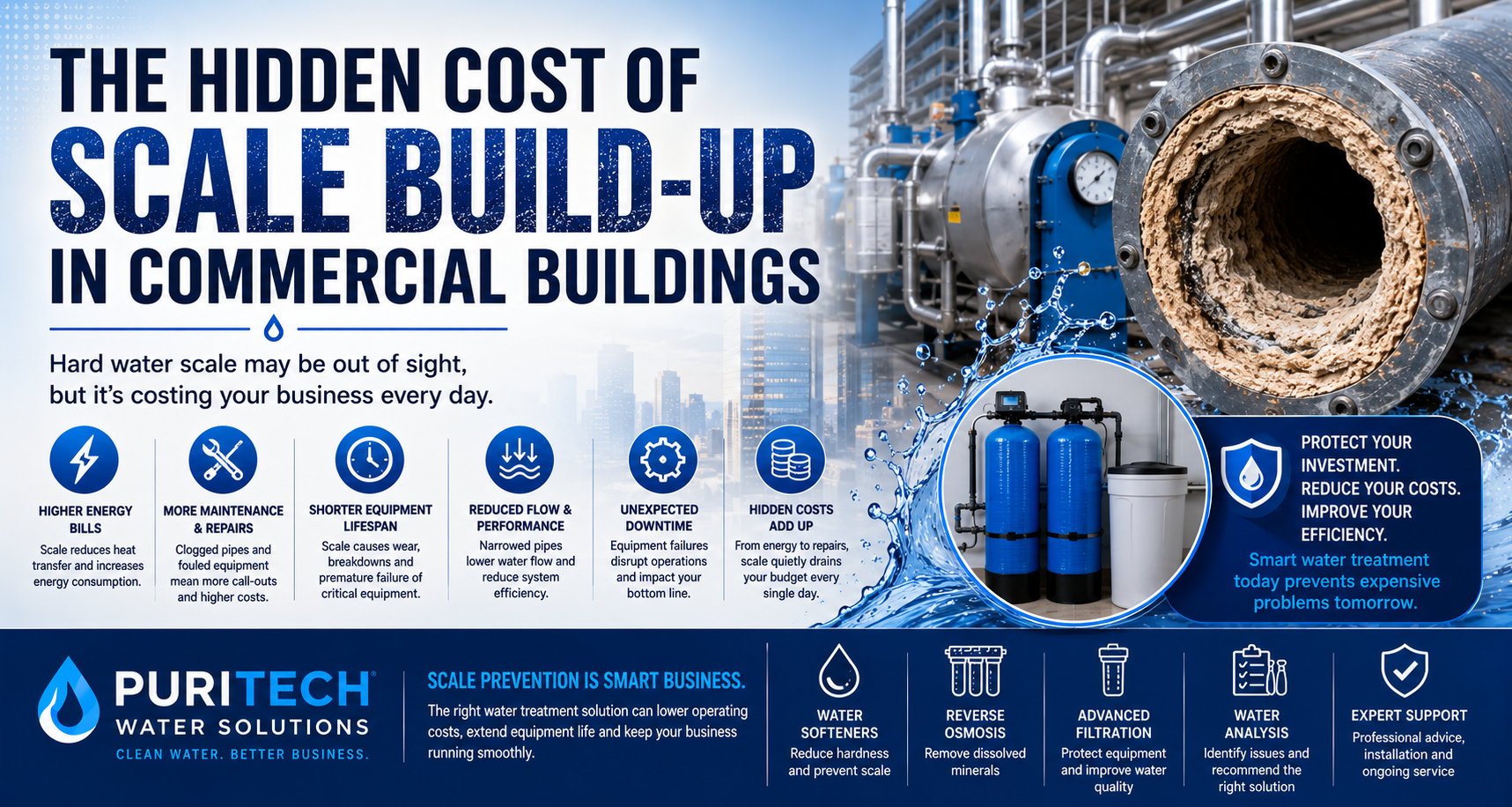
Water with high calcium and magnesium levels can cause scale to form on the membrane.
Over time, this reduces water flow and purification efficiency.
Installing a water softener or suitable pre-treatment can help extend the RO membrane lifespan.
Iron and Manganese
Excess iron and manganese may coat the membrane, restricting water flow and reducing contaminant rejection.
A professional water analysis can determine whether specialised pre-treatment is required.
Biological Growth
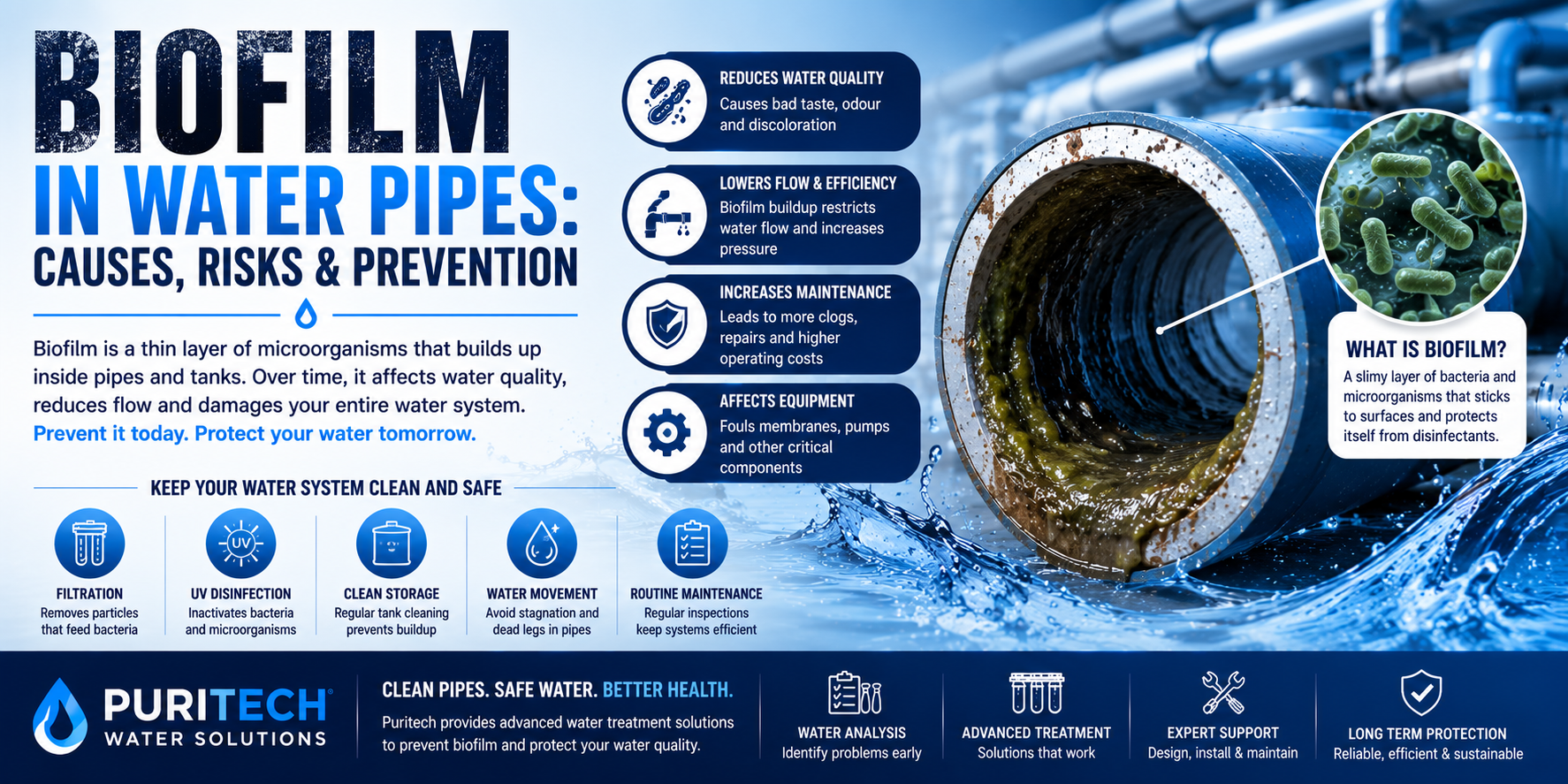
Bacteria and biofilm may develop inside poorly maintained systems.
Routine sanitisation helps keep the membrane clean and operating efficiently.
How to Increase RO Membrane Lifespan
Following a regular maintenance programme helps maximise the RO membrane lifespan.
Replace Pre-Filters Regularly
Sediment and carbon filters protect the membrane from contaminants that can shorten its service life.
Always replace these filters according to the manufacturer’s recommendations.
Test Water Quality
Regular water testing identifies changes that may affect membrane performance.
Early detection allows corrective action before permanent damage occurs.
Monitor TDS Readings
A sudden increase in TDS often indicates declining membrane performance.
Routine monitoring helps identify problems before they become serious.
Maintain Correct Water Pressure
Reverse osmosis systems operate most efficiently within specific pressure ranges.
Incorrect pressure can reduce production and increase membrane wear.
Schedule Professional Servicing
Regular inspections help ensure pumps, valves, and pre-treatment equipment continue to protect the membrane.
Professional servicing also identifies potential issues before costly failures occur.
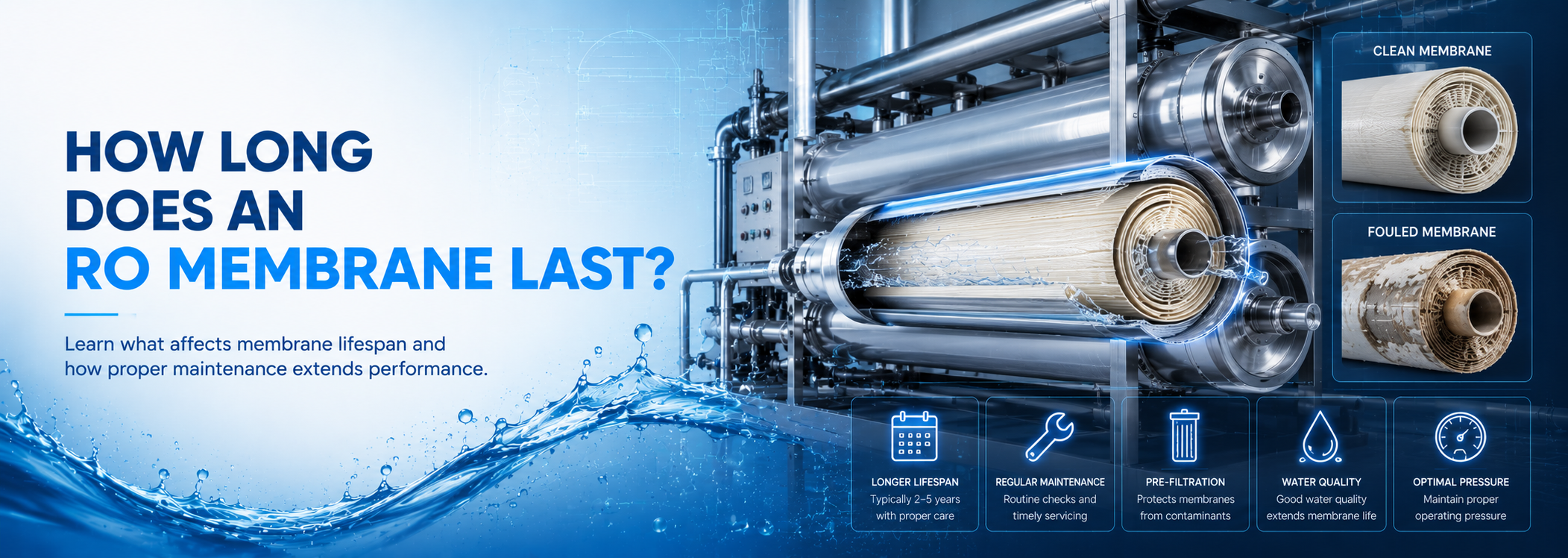
How Long Does an RO Membrane Last?
The average RO membrane lifespan depends on several factors, including:
- Incoming water quality
- Daily water usage
- Pre-treatment
- Maintenance
- Operating pressure
In many systems, membranes last between two and five years when maintained correctly.
Commercial installations may vary depending on operating conditions.
Signs Your RO Membrane Needs Replacing
Watch for these common warning signs:
- Reduced purified water production
- Higher TDS readings
- Poor water taste
- Slower system performance
- Frequent maintenance requirements
Replacing a worn membrane restores system efficiency and water quality.
Frequently Asked Questions
Can an RO membrane be cleaned?
Yes. Commercial membranes can often be cleaned to remove scale and fouling. However, cleaning cannot repair permanent damage.
Does chlorine shorten membrane life?
Yes. Chlorine can damage most RO membranes. Activated carbon pre-filtration protects the membrane by removing chlorine before the water reaches it.
How can I improve my RO membrane lifespan?
Replace pre-filters regularly, maintain correct operating pressure, test your water, and service the system according to the manufacturer’s recommendations.
Should I replace the membrane before it fails?
Monitoring water quality and TDS readings allows you to replace the membrane before performance declines significantly.
Conclusion
A longer RO membrane lifespan means better water quality, lower operating costs, and improved system reliability. By maintaining your filtration system, replacing pre-filters on time and monitoring water quality, you can maximise the performance of your reverse osmosis system for years to come.
Puritech supplies high-quality RO membranes, replacement filter cartridges and complete reverse osmosis systems for residential, commercial and industrial water treatment applications. Our team can also help you maintain your system to ensure long-lasting performance.