
Total: R129,067.83
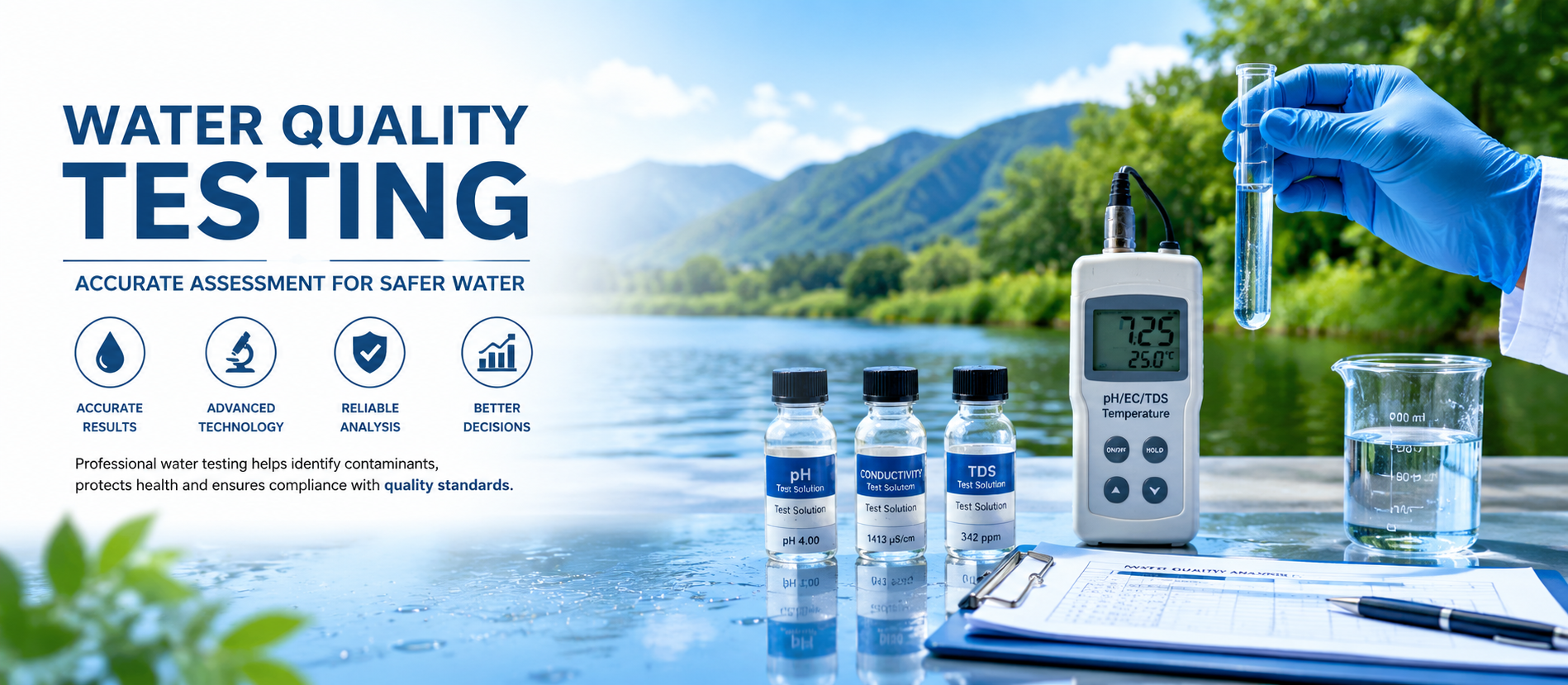
Water may look clean and taste fine, but that doesn’t always mean it is safe. Many harmful contaminants are invisible, odorless, and tasteless. For this reason, understanding the importance of water testing is the first step toward ensuring safe drinking water for your home, business, or industrial facility.
Whether your water comes from a municipal supply, a borehole, a river, or a rainwater harvesting system, regular testing helps identify contaminants and determine the most effective treatment solution. Testing also protects your health, extends the life of water treatment equipment, and prevents costly maintenance problems.
Water testing, also known as water quality analysis, is the process of examining a water sample to determine its physical, chemical, and microbiological characteristics.
A professional laboratory or qualified water treatment specialist can analyze water for a wide range of contaminants, including
The results provide a complete picture of your water quality and help identify any potential health or operational concerns.
One of the main reasons for testing water is to protect the people who use it every day.
Contaminated water can contain harmful bacteria, viruses, parasites, and chemicals that may cause illnesses ranging from stomach infections to long-term health problems. Many contaminants cannot be detected by sight, smell, or taste, making laboratory testing essential.
Every water source is different.
For example:
Without testing, you could install equipment that does not solve your specific water quality issues.
Water analysis ensures that your treatment system is correctly designed and performs efficiently.
Poor water quality can damage:
High levels of sediment, hardness, or dissolved minerals can cause scaling, corrosion, and blockages.
Regular testing helps identify these issues before they become expensive repairs.
Testing can identify many common issues.
Hard water causes scale buildup inside pipes, geysers, kettles, and industrial equipment.
Iron can stain sinks, clothing, and fixtures while affecting the taste and appearance of water.
Manganese often causes black staining and unpleasant tastes.
Excessive Total Dissolved Solids may affect taste and indicate elevated mineral or salt concentrations.
Bacteria such as E. coli can present serious health risks and require immediate treatment through UV sterilization or disinfection.
Water testing is recommended for:
Especially if you use borehole water, use rainwater harvesting systems, or experience changes in the taste, color, or odor of your water.
Restaurants, hotels, schools, hospitals, and offices should monitor water quality to protect staff and customers.
Manufacturers rely on consistent water quality to protect production equipment and maintain product quality.
Agricultural water testing helps ensure irrigation water and livestock water supplies remain suitable for use.
Testing frequency depends on your water source.
General recommendations include:
| Water Source | Recommended Testing |
|---|---|
| Municipal water | Once every year |
| Borehole water | Every 6–12 months |
| Rainwater harvesting | Every 6–12 months |
| Commercial systems | According to operational requirements |
| Industrial systems | Regular monitoring based on process requirements |
You should also test your water whenever you notice changes in color, smell, taste, or water pressure.
Once the laboratory results are available, a water treatment specialist can recommend the most suitable solution.
Depending on the findings, treatment may include the following:
Selecting the correct treatment system based on laboratory results improves efficiency while reducing operating costs.
Routine water quality testing provides many advantages.
Testing confirms that your drinking water meets acceptable quality standards.
Removing unwanted minerals and contaminants improves the taste, smell, and appearance of water.
Correct treatment reduces scaling, corrosion, and unnecessary wear on equipment.
Early detection of water quality problems helps prevent expensive repairs and unexpected downtime.
Knowing exactly what is in your water allows you to make informed decisions about treatment and maintenance.
Puritech provides professional water testing and customized water treatment solutions for residential, commercial, and industrial applications.
Their experienced team can assist with:
By starting with accurate water testing, Puritech ensures every treatment system is designed to deliver reliable performance and long-term value.
Many harmful contaminants, including bacteria, viruses, dissolved salts, and heavy metals, are invisible and cannot be detected by taste or smell. Laboratory testing is the only reliable way to assess water quality.
Yes. Borehole water quality varies significantly from one location to another, making testing essential before selecting a treatment system.
Yes. Seasonal rainfall, drought, aging infrastructure, agricultural runoff, and changes in groundwater conditions can all affect water quality. Regular testing helps detect these changes early.
No. Water testing is also important for industrial processes, manufacturing, irrigation, food production, hospitality, healthcare, and many other applications where water quality affects equipment or product quality.
The importance of water testing cannot be overstated. Before investing in any water treatment system, you need to know exactly what is in your water. Professional testing identifies contaminants, protects your health, improves treatment performance, and helps prevent unnecessary maintenance costs.
Whether you rely on municipal water, borehole water, or harvested rainwater, regular water quality testing is a smart investment that supports safer water, better equipment performance, and long-term peace of mind.