Currently Empty: R0.00

How Ozone Works as a Water Disinfectant
Powerful Oxidation Process
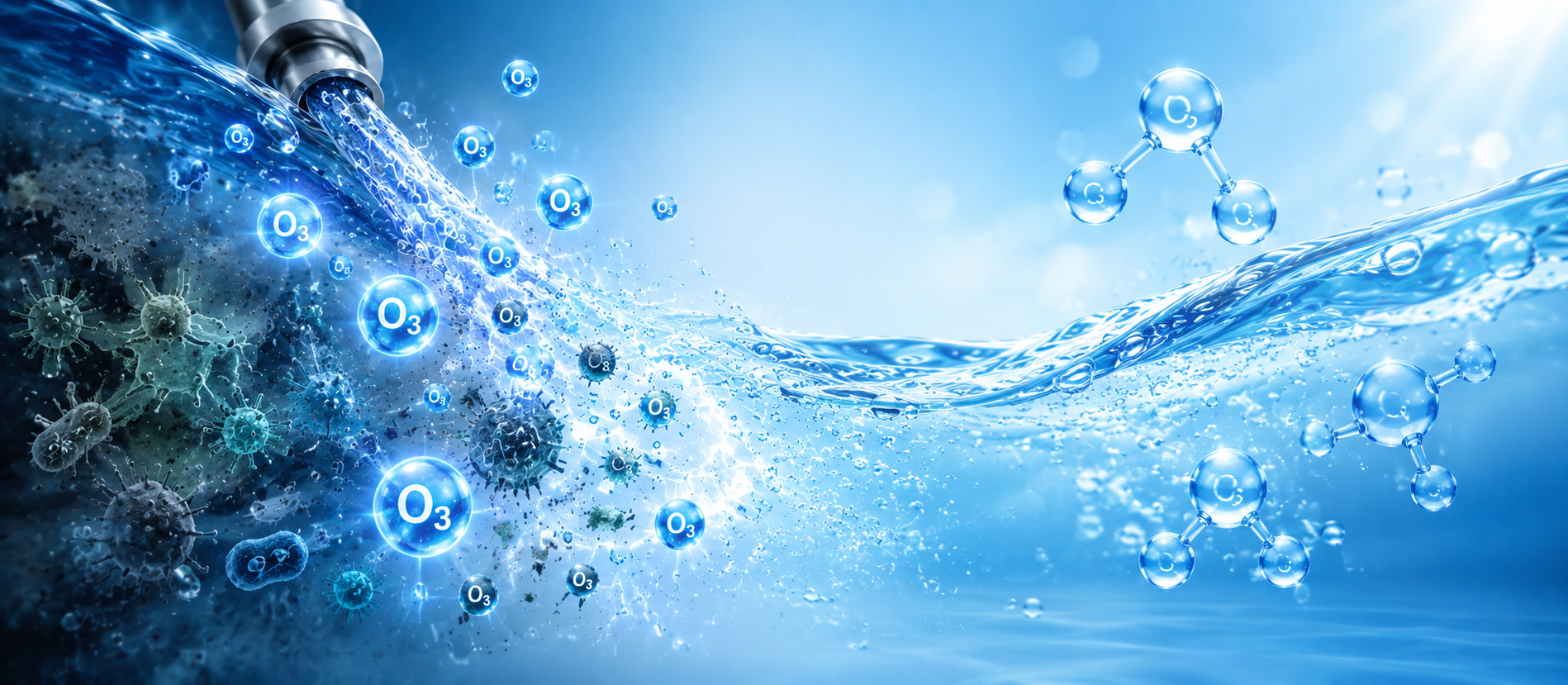
The effectiveness of ozone water purification comes from its strong oxidation potential. When ozone comes into contact with harmful microorganisms, it attacks their cell walls and disrupts their internal structures. As a result, bacteria, viruses, and other pathogens are unable to survive or reproduce.
Rapid Disinfection
Unlike many traditional treatment methods, ozone acts quickly and efficiently. Consequently, large volumes of water can be disinfected within a short period, making ozone an excellent solution for both residential and commercial applications.
Organic Contaminant Removal
Furthermore, ozone oxidizes organic compounds that contribute to unpleasant tastes, odors, and discoloration. This process helps improve the overall quality and appearance of treated water.
Benefits of Ozone Water Purification
Effective Microorganism Control
One of the biggest advantages of ozone water purification is its ability to eliminate a wide range of harmful microorganisms. For example, ozone is highly effective against:
- Bacteria
- Viruses
- Protozoa
- Giardia
- Cryptosporidium
- Algae
Because of this broad-spectrum effectiveness, ozone water purification is widely used in applications where water safety is critical.
Improved Taste and Odor
In addition, ozone helps remove compounds responsible for unpleasant tastes and odors. Therefore, treated water often tastes fresher and smells cleaner.
Chemical-Free Treatment
Unlike chlorine-based disinfection systems, ozone treatment does not leave harmful chemical residues behind. Moreover, ozone naturally breaks down into oxygen after the treatment process is complete.
Environmentally Friendly
Since ozone reverts back to oxygen, it has a minimal environmental impact. Consequently, many organizations choose ozone treatment as part of their sustainability initiatives.
Enhanced Water Clarity
Additionally, ozone can reduce color, turbidity, and organic contamination in water. As a result, treated water often appears clearer and more appealing.
Applications of Ozone Water Purification
Municipal Water Treatment
For example, municipal water treatment plants use ozone to improve water quality and comply with strict health regulations.
Bottled Water Production
Similarly, bottled water manufacturers use ozone technology to maintain product quality while ensuring microbiological safety.
Food and Beverage Industry
Furthermore, food and beverage companies rely on ozone-treated water for processing, cleaning, and sanitation purposes.
Industrial Water Treatment
Meanwhile, industrial facilities use ozone systems to improve process water quality and reduce contamination risks.
Residential Water Systems
In recent years, homeowners have increasingly adopted ozone water purification systems to enhance drinking water quality and improve overall household water safety.
Ozone and Water Filtration Systems
Ozone treatment is often combined with other advanced technologies to provide comprehensive water purification.
Reverse Osmosis Systems
While reverse osmosis removes dissolved solids and contaminants, ozone provides powerful disinfection. Together, these technologies deliver exceptionally high-quality water.
Activated Carbon Filtration
Additionally, activated carbon filtration helps remove oxidation by-products and further improves taste and odor.
UV Water Treatment
Moreover, UV and ozone technologies can work together to provide multiple layers of protection against harmful microorganisms.
Is Ozone Water Purification Safe?
Yes, properly designed ozone water purification systems are considered safe and highly effective. Since ozone quickly converts back into oxygen after treatment, it does not remain in the water as a harmful residue. Therefore, many industries and municipalities trust ozone as a reliable water treatment solution.
To ensure optimal performance and safety, professional installation and regular maintenance are strongly recommended.