Currently Empty: R0.00

Water Treatment in Agriculture: Protecting Crops and Food Safety
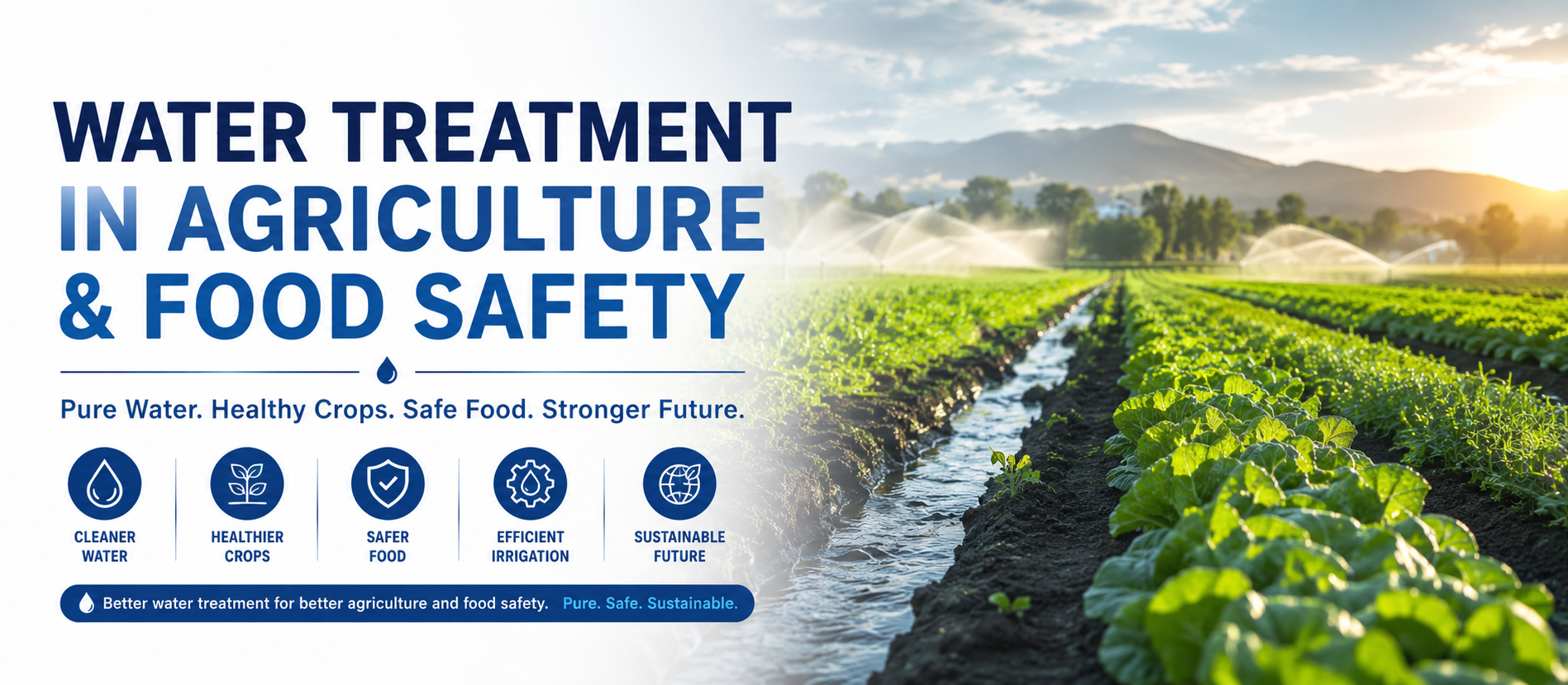
Water treatment in agriculture plays a vital role in producing safe food and maintaining healthy crops. Whether water is used for irrigation, washing fresh produce, livestock, or food processing, its quality directly affects crop yields, food safety, and public health. Investing in reliable water treatment systems helps farmers and food producers reduce contamination risks while improving productivity and sustainability.
Why Water Treatment in Agriculture Matters
Agriculture depends on a consistent supply of clean water. Contaminated water can introduce bacteria, viruses, chemicals, and sediments that affect crops, livestock, and food processing equipment. Proper treatment improves water quality and helps reduce the risk of foodborne illnesses while protecting valuable farming resources. Water quality is increasingly recognised as a critical factor in safe food production and agricultural operations.
Safe Irrigation Starts with Clean Water
Irrigation water comes from various sources, including rivers, dams, boreholes, and municipal supplies. If the water contains harmful microorganisms or excessive minerals, it can affect crop health and contaminate fresh produce.
Effective treatment methods can:
- Remove suspended solids
- Reduce bacteria and viruses
- Improve water clarity
- Prevent irrigation equipment from clogging
- Support healthier crop growth
Regular water testing also helps farmers identify potential issues before they affect production.
Water Quality and Food Safety
Clean water is essential throughout the food production chain. Water is used to wash fruits and vegetables, clean equipment, process ingredients, and maintain hygiene standards.
Poor-quality water can:
- Spread harmful microorganisms
- Reduce product shelf life
- Affect taste and appearance
- Increase the risk of product recalls
- Damage consumer confidence
Using treated water helps food producers meet hygiene standards while maintaining consistent product quality.
Choosing the Right Water Treatment System
The best solution depends on the source of your water and how it will be used.
Common treatment technologies include:
- Sediment filtration
- Activated carbon filtration
- Reverse osmosis
- UV disinfection
- Water softening
Each technology targets different contaminants, making professional water analysis an important first step before selecting a system.
Benefits for Farmers and Food Producers
Investing in water treatment in agriculture provides long-term benefits, including:
- Improved crop quality
- Safer food production
- Healthier livestock
- Lower equipment maintenance costs
- Better compliance with food safety requirements
- More efficient use of water resources
Reliable water treatment also supports sustainable farming by reducing waste and improving overall operational efficiency.
Supporting Sustainable Agriculture
As water resources become increasingly valuable, efficient treatment and responsible water management are becoming essential. Treating and monitoring agricultural water helps conserve resources, improve productivity, and support environmentally responsible farming practices for future generations.
Conclusion
Water treatment in agriculture is essential for protecting crops, supporting food safety, and improving farming efficiency. From irrigation to food processing, clean water contributes to healthier produce, reliable operations, and greater consumer confidence.
By investing in the right water treatment solution and regularly testing water quality, farmers and food producers can safeguard their operations while delivering safe, high-quality food to market.