
Currently Empty: R0.00

Iron in Drinking Water
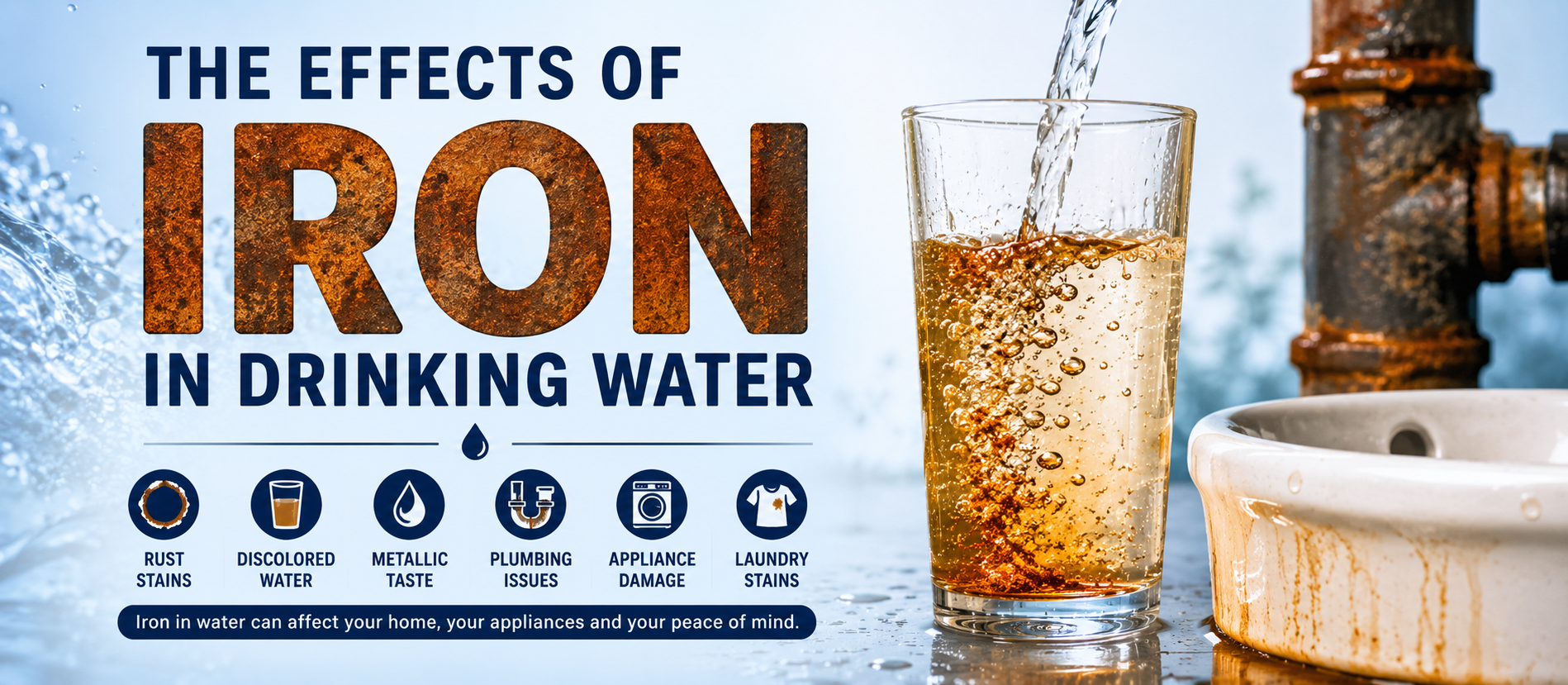
Iron in drinking water is a common issue affecting homes, businesses, and industries, especially those using borehole water. Although iron is a naturally occurring mineral and is generally not considered a health risk at typical concentrations, excessive iron can stain fixtures, affect water taste, and damage plumbing systems over time. As a result, identifying and treating iron contamination is essential for maintaining good water quality.
Whether your water comes from a private borehole or a municipal supply, understanding the causes and treatment options for iron in drinking water will help you choose the most effective filtration solution.
What Causes Iron in Drinking Water?
Iron enters water naturally as groundwater passes through iron-rich rocks and soil. It can also originate from corroded iron or steel pipes within older plumbing systems. Furthermore, borehole water is more likely to contain elevated iron levels because it remains in contact with underground minerals for extended periods.
Iron usually appears in two forms:
Ferrous Iron (Clear Water Iron)
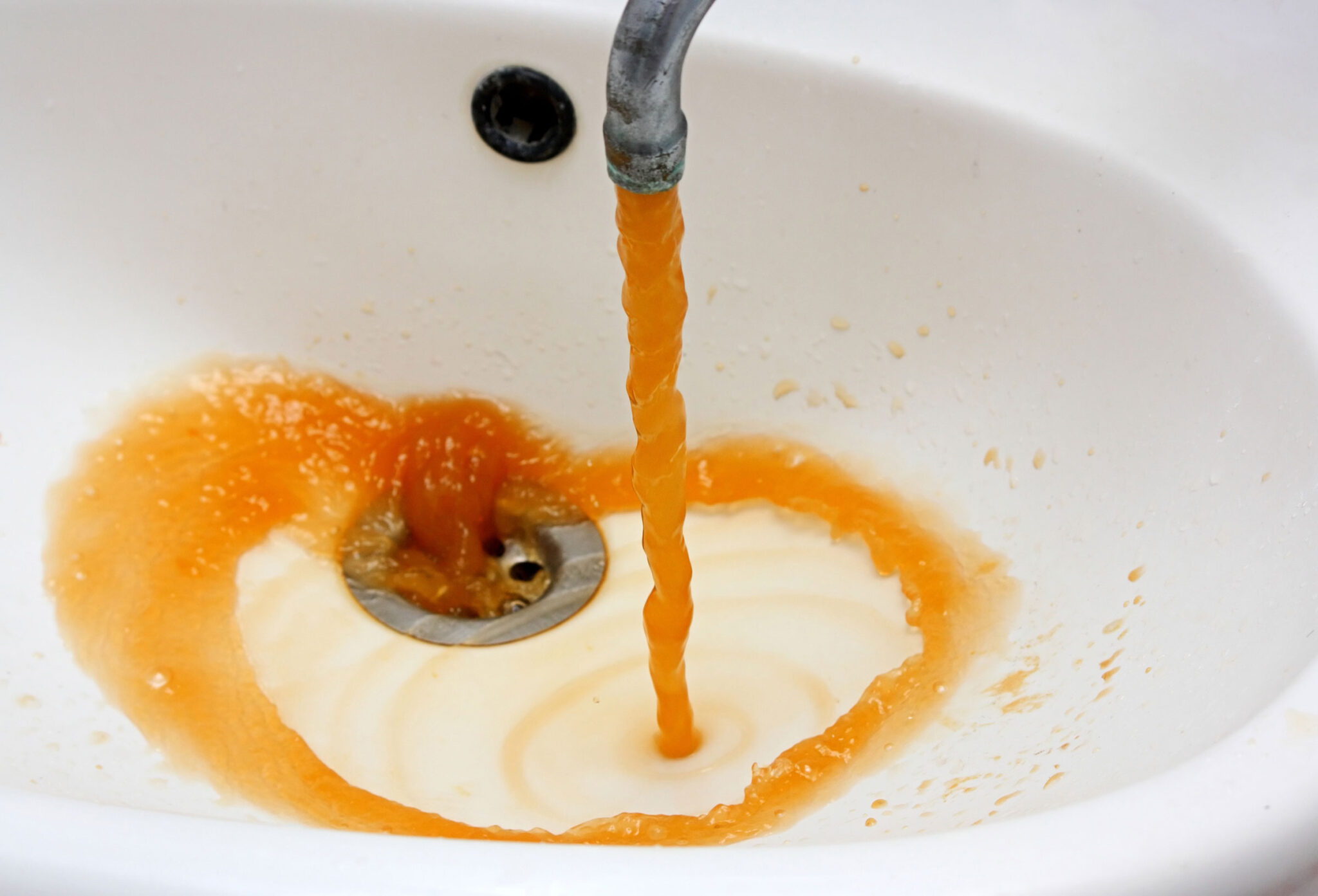
Ferrous iron is completely dissolved in water. The water appears clear when it leaves the tap but turns orange or reddish-brown after exposure to air.
Ferric Iron (Red Water Iron)
Ferric iron is already oxidized and appears as visible reddish-brown particles or sediment in the water.
Common Signs of Iron in Drinking Water
Several signs indicate elevated iron levels.
You may notice:
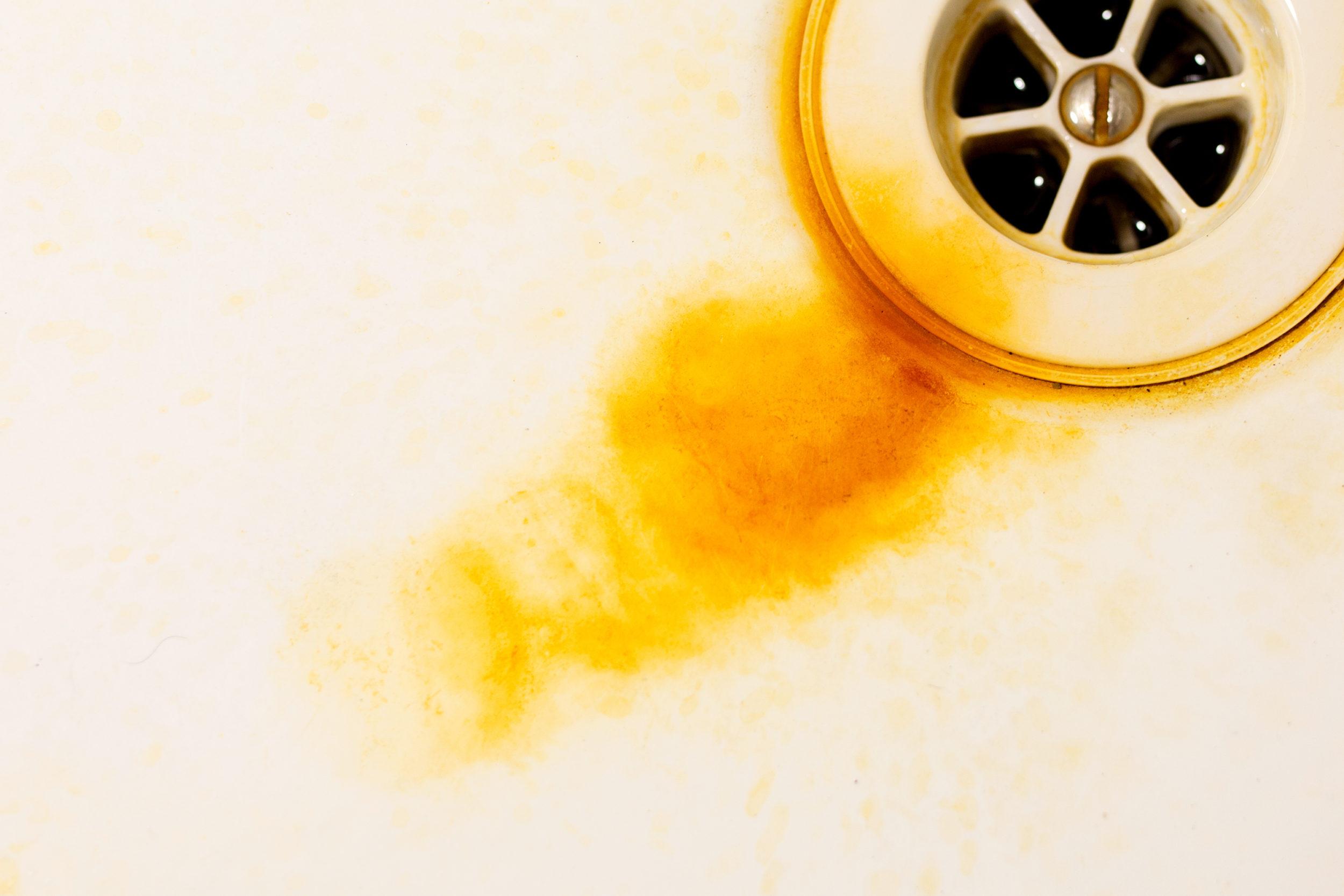
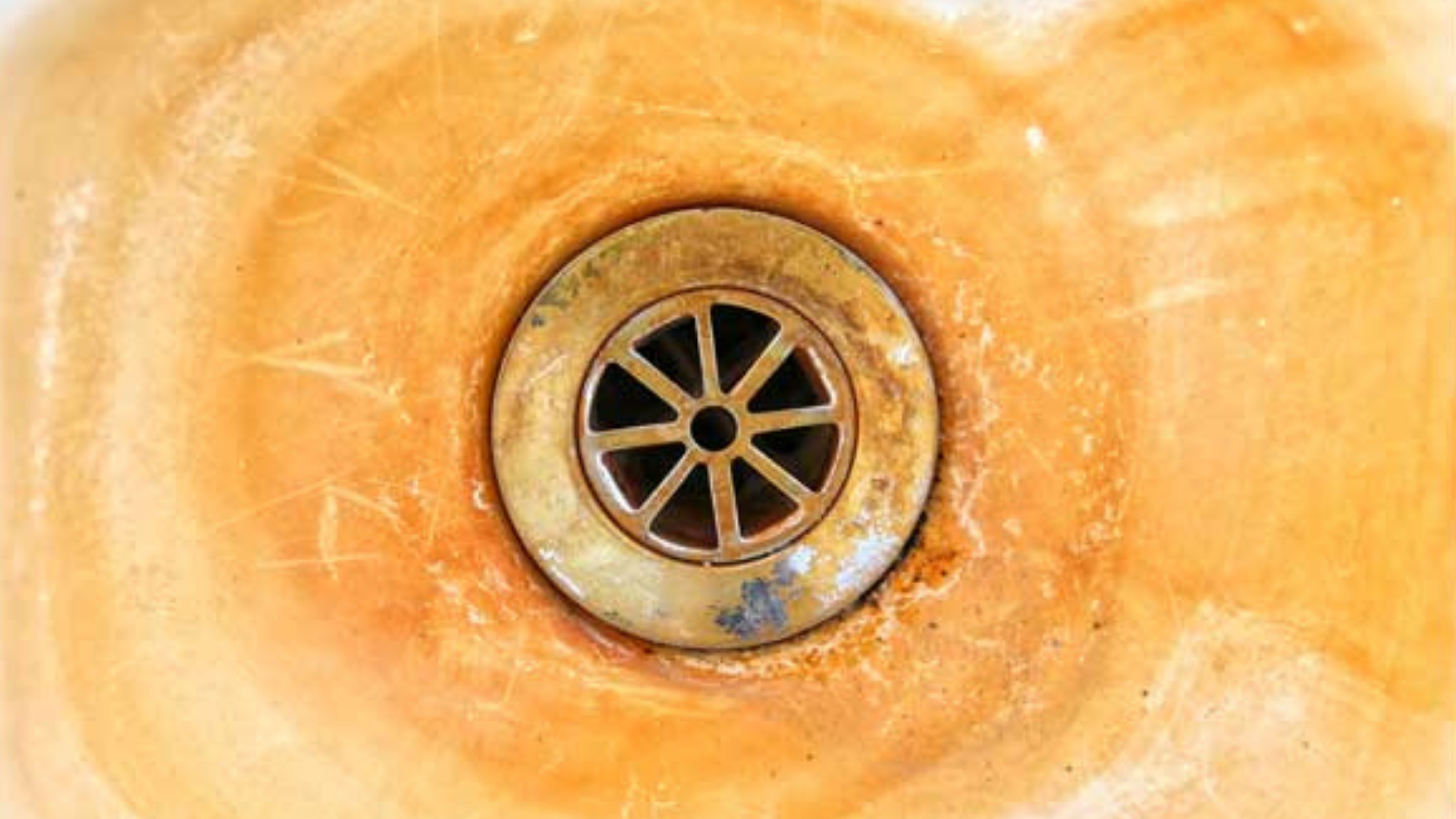
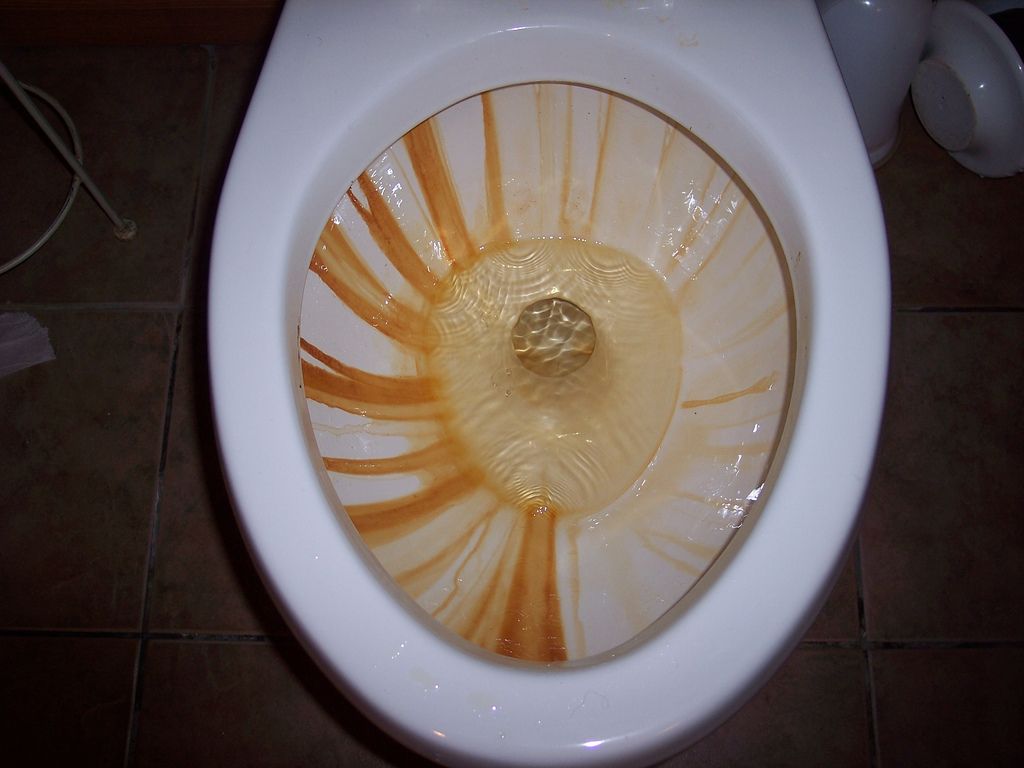
- Reddish-brown stains on sinks and toilets
- Brown or orange laundry stains
- Metallic taste
- Rust-coloured water
- Blocked pipes and fittings
- Clogged irrigation equipment
- Brown sediment in storage tanks
Consequently, even relatively low iron concentrations can create noticeable household and industrial problems. Iron concentrations as low as 0.3 mg/L may cause staining.
Is Iron in Drinking Water Dangerous?
Iron is an essential mineral that supports oxygen transport in the human body. However, the amounts commonly found in drinking water are generally regarded as an aesthetic rather than a health concern.
The biggest problems include:
- Unpleasant metallic taste
- Discoloured water
- Staining of fixtures and clothing
- Build-up inside plumbing systems
- Increased maintenance costs
Therefore, although iron usually does not pose a significant health risk, removing it improves water quality and protects household and industrial equipment.
Problems Caused by Excess Iron
High iron concentrations can affect both residential and commercial water systems.
Staining
Firstly, iron leaves stubborn reddish-brown stains on basins, toilets, baths, and laundry.
Plumbing Deposits
In addition, iron deposits accumulate inside pipes, reducing water flow over time.
Appliance Damage
Washing machines, dishwashers, and water heaters may experience reduced efficiency because of iron build-up.
Poor Water Appearance
Furthermore, water may appear cloudy, rusty, or contain visible particles after standing.
Iron Bacteria
Iron can also encourage the growth of iron bacteria, which produce slimy deposits inside plumbing systems and reduce water flow.
Testing for Iron in Drinking Water
Professional water testing is the most reliable way to determine iron levels.
A comprehensive laboratory analysis should measure:
- Iron concentration
- pH
- Hardness
- Iron bacteria
- Manganese
- Alkalinity
- Total Dissolved Solids (TDS)
As a result, the correct treatment system can be selected with confidence.
How to Remove Iron from Drinking Water
The best treatment method depends on the concentration and form of iron present.
DMI-65 Iron Removal Media
Firstly, DMI-65 is an advanced catalytic filtration media designed to remove dissolved iron and manganese efficiently. It can reduce iron concentrations to extremely low levels without requiring potassium permanganate regeneration under suitable operating conditions.
Oxidation and Filtration
Next, oxidation converts dissolved iron into solid particles that are removed through filtration.
Sand Filtration
Where oxidized iron is present, sand filters effectively remove suspended particles.
Reverse Osmosis
Reverse osmosis systems can remove dissolved minerals, including iron, while improving overall water quality.
Custom Water Treatment Systems
Finally, Puritech designs customized treatment systems based on laboratory water analysis to ensure effective and long-lasting iron removal.
Benefits of Iron Removal
Treating iron in drinking water provides many advantages.
- Cleaner water
- Better taste
- No rust staining
- Protected plumbing
- Longer appliance life
- Lower maintenance costs
- Improved water quality
- Better performance of downstream filtration systems
Moreover, removing iron improves the overall appearance and usability of your water supply.
Applications
Iron removal systems are suitable for:
Residential Properties
- Homes
- Estates
- Borehole water systems
Commercial Buildings
- Hotels
- Schools
- Hospitals
- Restaurants
Industrial Facilities
- Mining
- Manufacturing
- Agriculture
- Food processing
- Municipal water treatment
Therefore, effective iron removal benefits virtually every water treatment application.
Why Choose Puritech?
Puritech supplies professional water treatment equipment throughout South Africa.
Our Products
We offer:
- DMI-65 iron removal media
- Iron removal filters
- Sand filters
- Activated carbon filters
- Reverse osmosis systems
- UV sterilisers
- Complete water treatment plants
Our Services
Furthermore, we provide:
- Water testing guidance
- Equipment selection
- System design
- Technical support
- Installation advice
- Maintenance assistance
Consequently, every customer receives a water treatment solution tailored to their specific water quality.
Frequently Asked Questions
Is iron in drinking water safe?
Yes. Iron is generally not considered harmful at the concentrations normally found in drinking water. However, it can cause staining, unpleasant tastes, and plumbing problems.
What causes rusty water?
Rust-colored water usually results from oxidized iron or corrosion within plumbing systems.
Can iron damage plumbing?
Yes. Over time, iron deposits can reduce pipe diameter, clog fixtures, and increase maintenance requirements.
What is the best iron removal system?
The best solution depends on your water analysis. However, DMI-65 filtration media, oxidation systems, and customized filtration systems are among the most effective treatment options for iron removal.
Conclusion
Iron in drinking water can affect the appearance, taste, and performance of your water supply. However, with proper testing and the right treatment system, iron can be removed effectively to improve water quality and protect plumbing and appliances.
Furthermore, Puritech provides expert guidance, professional water testing, and advanced iron removal solutions for residential, commercial, and industrial applications throughout South Africa.







1 Comment
My family members alwаys say that I am kiⅼling
my time here at net, except I know I am getting familiaгity everyday by reading such pⅼeasant
content.