
Currently Empty: R0.00

Water Hardness
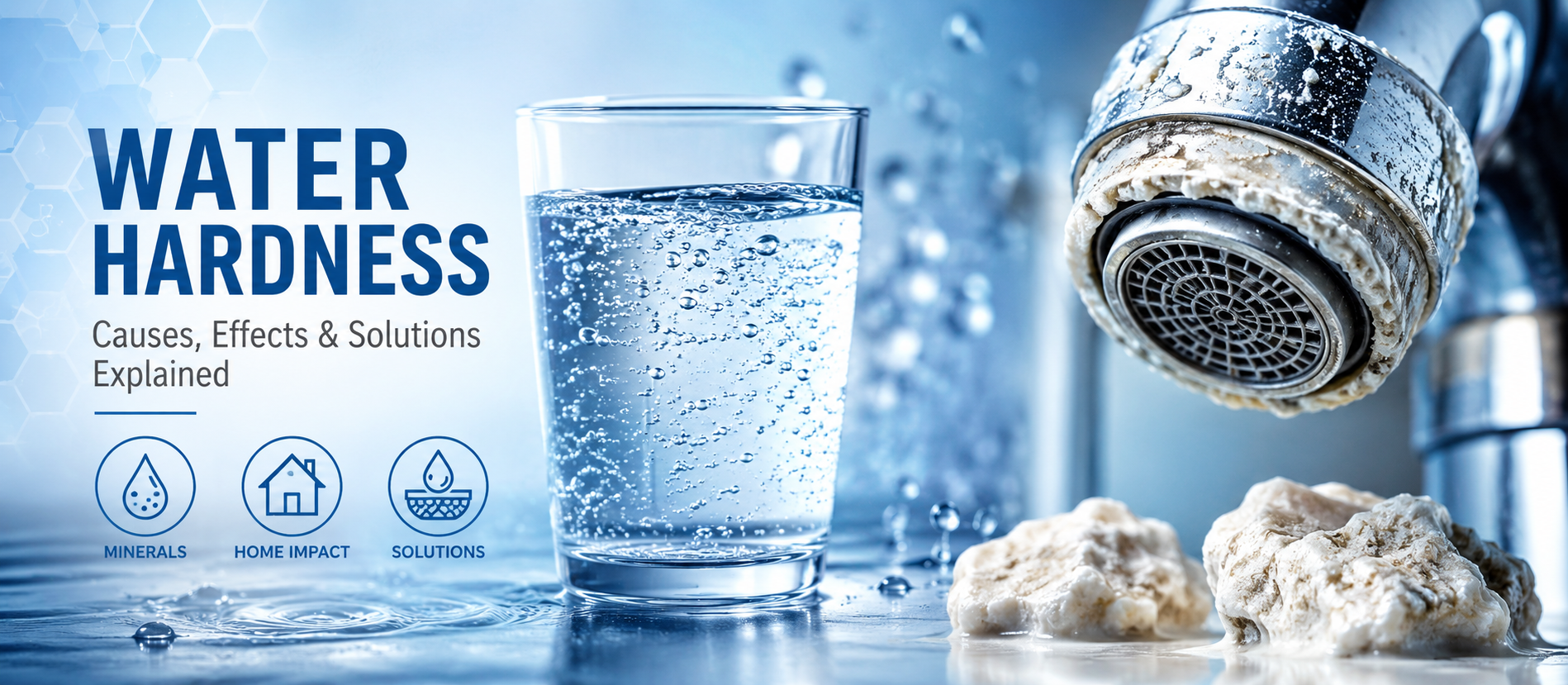
Water hardness is a common water quality issue that affects homes, businesses, and industries. It occurs when water contains high levels of dissolved calcium and magnesium minerals. As a result, hard water can cause scale build-up, reduce the efficiency of appliances, and increase maintenance costs.
Whether your water comes from a borehole or a municipal supply, understanding water hardness helps you choose the right treatment solution. Furthermore, treating hard water improves equipment performance and extends the lifespan of plumbing systems.
What Is Water Hardness?
Water hardness refers to the concentration of dissolved calcium and magnesium minerals in water. These naturally occurring minerals enter the water as it flows through limestone, chalk, and other mineral-rich rocks.
Unlike contaminated water, hard water is generally safe to drink. However, excessive hardness can create operational problems in homes and industrial systems. Therefore, many property owners install water treatment equipment to control mineral build-up.
What Causes Hard Water?
Several natural factors contribute to water hardness.
Natural Mineral Deposits
Firstly, groundwater absorbs calcium and magnesium as it moves through underground rock formations.
Borehole Water
In addition, borehole water often contains higher mineral concentrations than surface water because it remains underground for longer periods.
Geological Conditions
Furthermore, regions with limestone and dolomite formations generally produce harder water than areas with granite or sandstone geology.
How Is Water Hardness Measured?
Professionals usually measure water hardness in milligrams per liter (mg/L) of calcium carbonate (CaCO₃).
Typical classifications include the following:
| Hardness Level | mg/L (CaCO₃) |
|---|---|
| Soft | 0–50 |
| Moderately Soft | 50–100 |
| Slightly Hard | 100–150 |
| Moderately Hard | 150–200 |
| Hard | 200–300 |
| Very Hard | Above 300 |
Consequently, a professional water analysis provides the most accurate measurement before selecting treatment equipment.
Signs of Hard Water
Several visible signs indicate excessive water hardness.
Around the Home
You may notice:
- White scale on taps
- Soap scum in bathrooms
- Spots on glassware
- Reduced soap lather
- Stiff laundry
- Dry skin and hair
In Industrial Systems
Businesses may experience the following:
- Blocked pipelines
- Scale inside boilers
- Reduced heat transfer
- Higher energy consumption
- Increased maintenance costs
As a result, untreated hard water often increases operating expenses.
Problems Caused by Water Hardness
High mineral levels affect both domestic and industrial water systems.
Scale Formation
Firstly, calcium deposits accumulate inside pipes, kettles, boilers, and water heaters.
Reduced Equipment Efficiency
Furthermore, scale acts as an insulator, forcing heating equipment to consume more energy.
Higher Maintenance Costs
Moreover, excessive scaling increases servicing requirements and shortens equipment life.
Poor Cleaning Performance
In addition, soap reacts with calcium and magnesium, making it more difficult to clean clothes, dishes, and surfaces.
How to Treat Water Hardness
Several treatment methods effectively reduce water hardness.
Water Softeners
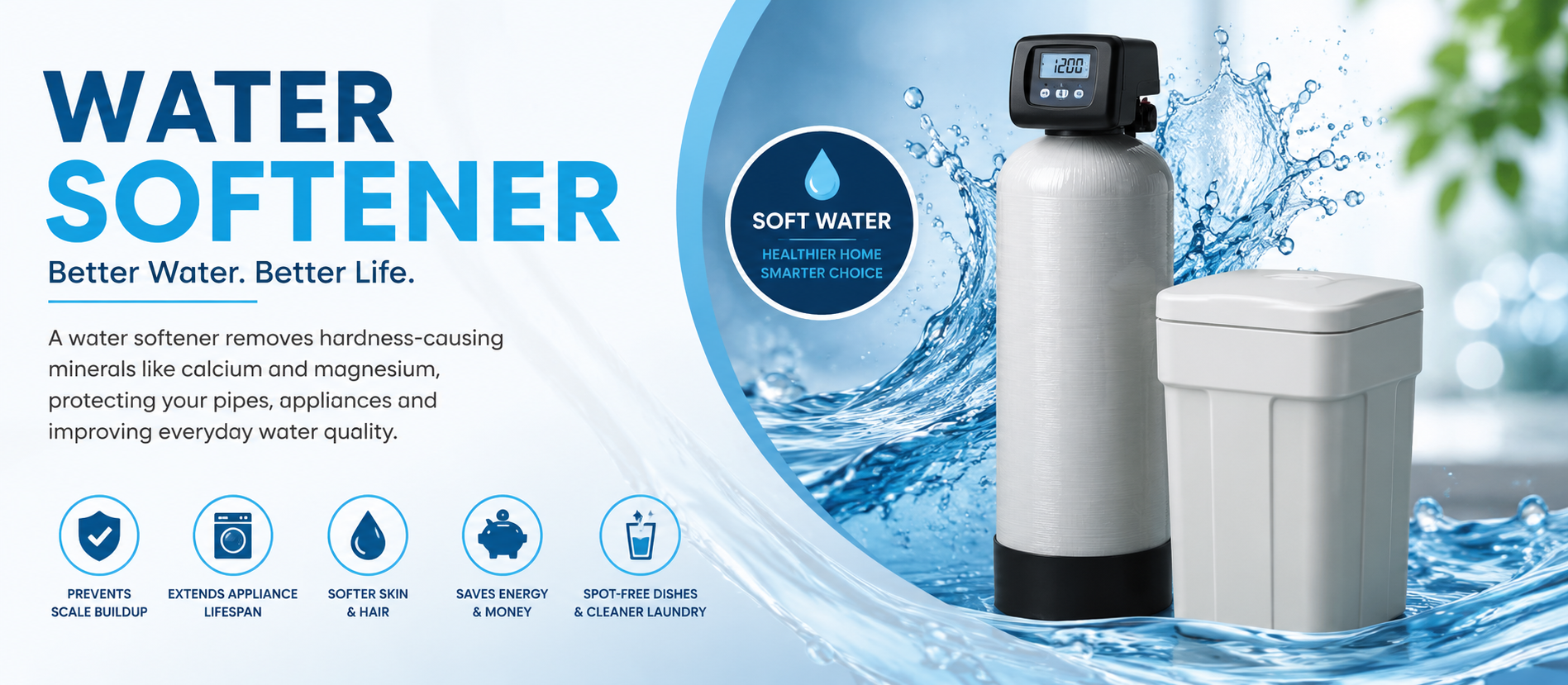
Firstly, ion exchange water softeners replace calcium and magnesium ions with sodium or potassium ions.
Reverse Osmosis
Next, reverse osmosis systems remove dissolved minerals while improving overall water quality.
Commercial Water Treatment
Finally, industrial systems often combine softening, filtration, and reverse osmosis to achieve the required water quality. Therefore, the correct solution depends on your specific application.
Benefits of Reducing Water Hardness
Treating hard water provides several long-term benefits.
- Protects plumbing systems
- Reduces scale formation
- Improves appliance efficiency
- Lowers energy consumption
- Extends equipment lifespan
- Improves soap performance
- Reduces maintenance costs
- Produces cleaner laundry and dishes
Consequently, both homeowners and businesses benefit from lower operating costs and improved water quality.
Applications
Water hardness treatment is recommended for:
Residential Properties
- Homes
- Apartments
- Boreholes
- Rainwater systems
Commercial Buildings
- Hotels
- Schools
- Hospitals
- Restaurants
Industrial Facilities
- Manufacturing
- Mining
- Agriculture
- Food processing
- Municipal water treatment
Furthermore, every installation benefits from a professional water quality assessment before selecting treatment equipment.
Why Choose Puritech?
Puritech supplies complete water treatment solutions throughout South Africa.
Our Products
We supply:
- Water softeners
- Reverse osmosis systems
- Sand filters
- Activated carbon filters
- UV sterilisers
- Industrial water treatment systems
Our Services
In addition, our experienced team provides:
- Water testing
- Equipment selection
- System design
- Installation guidance
- Technical support
- Maintenance advice
Therefore, every customer receives a customized solution designed for long-term reliability.
Frequently Asked Questions
Is hard water safe to drink?
Yes. Although hard water is generally safe to drink, excessive mineral levels can damage plumbing and appliances over time.
Can hard water damage appliances?
Yes. In fact, mineral deposits reduce heating efficiency and shorten the lifespan of appliances.
What is the best treatment for hard water?
The most effective treatment depends on your water analysis. However, water softeners remain one of the most common solutions for reducing hardness.
Should borehole water be tested?
Yes. Finally, professional testing identifies hardness levels and other contaminants before selecting the correct treatment system.
Conclusion
Water hardness affects water quality, plumbing systems, and the performance of household and industrial equipment. However, the right treatment solution can eliminate scale, improve efficiency, and reduce maintenance costs.
Furthermore, professional water testing ensures you choose the most effective system for your application. Finally, Puritech supplies reliable water treatment equipment, expert advice, and customized solutions to help you manage hard water with confidence.






1 Comment
I was excited to uncover this page. I want to to thank you for your time for this particularly fantastic read!! I definitely enjoyed every bit of it and I have you saved to fav to check out new stuff in your website.