Currently Empty: R0.00

How to Maintain a Commercial Water Treatment System
A reliable commercial water treatment maintenance plan is essential for ensuring consistent water quality, protecting equipment, and reducing unexpected downtime.
Commercial filtration systems operate continuously and process large volumes of water every day. Without proper maintenance, components such as filter cartridges, pumps, membranes, and storage tanks can lose efficiency, increasing operating costs and affecting water quality.
Whether the system is used in a restaurant, hotel, manufacturing facility, water shop, agricultural operation, or commercial building, regular maintenance ensures that every component continues working correctly.
Why Commercial Water Treatment Maintenance Is Important
A commercial water treatment system is a significant investment. Proper maintenance helps businesses:
- Maintain consistent water quality
- Extend equipment lifespan
- Reduce operating costs
- Prevent unexpected failures
- Protect sensitive equipment
- Improve system efficiency
Ignoring maintenance can lead to:
- Reduced water flow
- Increased energy consumption
- Poor filtration performance
- Membrane damage
- Pump failures
- Contamination risks
Understanding Commercial Water Treatment System Components
A commercial water treatment system may include several treatment stages depending on the water source and application.
Common components include:
- Sediment filters
- Activated carbon filters
- Cartridge housings
- Reverse osmosis membranes
- High-pressure pumps
- UV sterilisation systems
- Storage tanks
- Control panels
- Pressure gauges
Each component requires specific inspection and servicing procedures.
Filter Cartridge Replacement and Inspection
One of the most important parts of commercial water treatment maintenance is replacing filtration cartridges at the correct intervals.
Filters remove contaminants such as:
- Dirt
- Sand
- Rust particles
- Chlorine
- Organic compounds
Over time, filters become blocked and restrict water flow.
Signs that filters may need replacement include:
- Reduced water pressure
- Slower production rates
- Increased pressure readings
- Visible dirt buildup
Regular filter replacement protects downstream equipment and improves overall system performance.
Reverse Osmosis Membrane Maintenance
Many commercial water treatment systems use reverse osmosis technology to produce high-quality water.
RO membranes require careful monitoring because they are responsible for removing dissolved contaminants.
Maintenance includes:
- Checking system pressure
- Monitoring water production
- Testing water quality
- Cleaning membranes when required
- Replacing damaged membranes
A poorly maintained RO membrane can result in:
- Lower water quality
- Reduced recovery rates
- Higher operating costs
Monitoring Water Quality Parameters
Regular testing is an important part of commercial water treatment maintenance.
Common tests include:
TDS Testing
Total dissolved solids monitoring helps determine how effectively filtration and RO membranes are performing.
pH Testing
pH monitoring ensures water chemistry remains suitable for the intended application.
Conductivity Testing
Conductivity measurements help identify changes in dissolved mineral levels.
Microbiological Testing
Testing helps confirm that treated water remains safe and free from harmful microorganisms.
Pump and Pressure System Maintenance
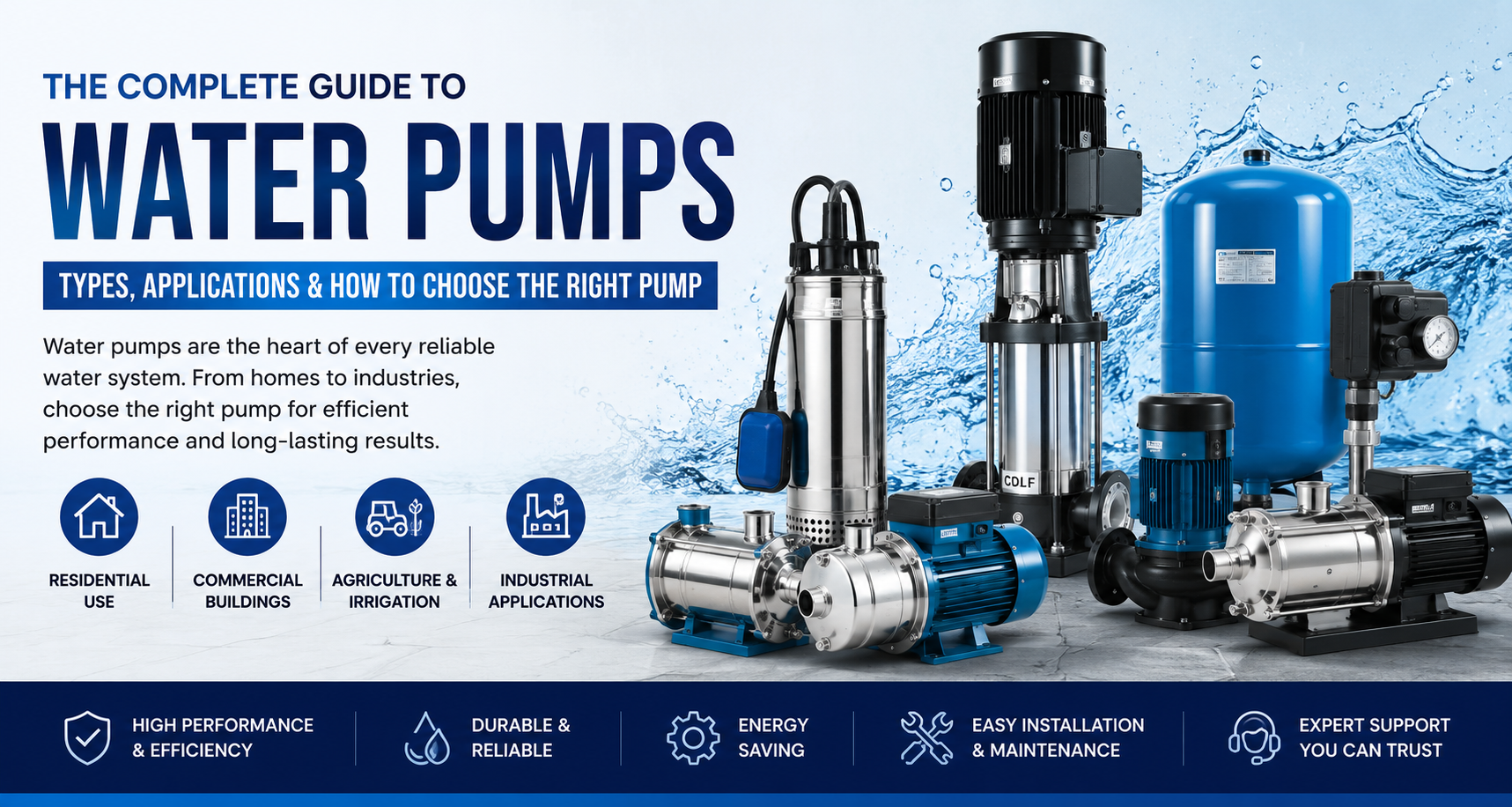
Pumps are critical components in many commercial systems.
Regular checks should include:
- Pressure readings
- Unusual noises
- Leaks
- Motor performance
- Electrical connections
A failing pump can reduce system output and increase energy consumption.
UV System Maintenance
Many commercial systems use ultraviolet technology as an additional protection against microorganisms.
UV maintenance includes:
- Checking lamp operation
- Cleaning quartz sleeves
- Replacing UV lamps according to manufacturer recommendations
A UV system may continue producing light even when performance has decreased, making regular servicing important.
Storage Tank Maintenance
Water storage tanks must be maintained to prevent contamination.
Maintenance procedures include the following:
- Regular cleaning
- Checking tank covers
- Inspecting fittings
- Preventing algae growth
- Checking overflow systems
Clean storage is essential for maintaining treated water quality.
Preventative Maintenance Schedule
A structured maintenance plan helps avoid unexpected problems.
Daily Checks
Monitor:
- System pressure
- Water flow
- Leaks
- Alarms
Weekly Checks
Inspect:
- Filter condition
- Pump operation
- Water quality readings
Monthly Checks
Review:
- Cartridge condition
- TDS levels
- Pressure changes
- System performance
Annual Maintenance
Perform:
- Full system inspection
- Membrane evaluation
- Component servicing
- Water quality testing
Common Signs Your Commercial Water Treatment System Needs Maintenance
Businesses should schedule maintenance when they notice the following:
Reduced Water Production
Possible causes:
- Blocked filters
- Fouled membranes
- Pump issues
Changes in Water Taste or Quality
Possible causes:
- Exhausted carbon filters
- Contamination
- Poor maintenance
Increasing Operating Costs
Possible causes:
- Inefficient pumps
- Blocked filters
- Reduced membrane performance
The Benefits of Professional Water Treatment Maintenance
Professional servicing provides:
- Expert system inspections
- Correct replacement parts
- Accurate water testing
- Improved reliability
- Reduced downtime
A professional maintenance programme helps businesses avoid costly repairs and ensures consistent water treatment performance.
Industries That Require Commercial Water Treatment Maintenance
Restaurants and Hotels
Water quality affects:
- Coffee machines
- Ice machines
- Food preparation
- Customer experience
Manufacturing Facilities
Water quality may affect:
- Production processes
- Equipment lifespan
- Product quality
Water Shops
Reliable filtration is essential for:
- Consistent water quality
- Customer trust
- Continuous production
Agriculture
Water treatment helps protect:
- Irrigation systems
- Crops
- Equipment
Frequently Asked Questions
How often should a commercial water treatment system be serviced?
Maintenance frequency depends on water quality, system size, and usage. High-volume systems usually require more frequent inspections.
How do I know if my RO membrane needs replacing?
Signs include reduced water production, higher TDS readings, and declining water quality.
Can I maintain a commercial filtration system myself?
Basic checks can be performed internally, but professional servicing is recommended for complex systems.
Why is preventative maintenance better than repairs?
Preventative maintenance identifies problems early, reducing downtime and avoiding expensive equipment failures.
Conclusion
Effective commercial water treatment maintenance ensures that filtration systems continue delivering reliable, high-quality water while protecting expensive equipment.
Regular filter replacement, water testing, membrane care, pump inspections, and professional servicing all contribute to better system performance and longer equipment life.
Puritech provides commercial and industrial water treatment solutions designed to help businesses maintain efficient, reliable water systems.